%2Ffit-in%2F250x250%2Fguide_websites%2F119753%2Fimages%2F1772091957645chatgptimagefeb26202603_45_15pm.png&w=1920&q=100)
/users/fcdd61c6-05fa-41fa-a9a3-a5d77e11a55a/ratecard/3-mm34kfwk.jpg)
%2F300x300%2Fusers%2Ffcdd61c6-05fa-41fa-a9a3-a5d77e11a55a%2Fratecard%2F3-mm34kfwk.jpg&w=256&q=75)
%2F300x300%2Fusers%2Ffcdd61c6-05fa-41fa-a9a3-a5d77e11a55a%2Fimages%2Fcape-may-fishing-success-2613.jpg&w=256&q=75)
%2F300x300%2Fusers%2Ffcdd61c6-05fa-41fa-a9a3-a5d77e11a55a%2Fimages%2Fcape-may-tautog-fishing-catch-2550.jpg&w=256&q=75)
%2F300x300%2Fusers%2Ffcdd61c6-05fa-41fa-a9a3-a5d77e11a55a%2Fimages%2Fcape-may-tautog-catch-2530.jpg&w=256&q=75)
%2F300x300%2Fusers%2Ffcdd61c6-05fa-41fa-a9a3-a5d77e11a55a%2Fimages%2Fcape-may-cobia-fishing-catch-2547.jpg&w=256&q=75)
%2F300x300%2Fusers%2Ffcdd61c6-05fa-41fa-a9a3-a5d77e11a55a%2Fimages%2Fcape-may-black-sea-bass-2572.jpg&w=256&q=75)
%2F300x300%2Fusers%2Ffcdd61c6-05fa-41fa-a9a3-a5d77e11a55a%2Fimages%2Fblack-drum-cape-may-fishing-2553.jpg&w=256&q=75)
%2F300x300%2Fusers%2Ffcdd61c6-05fa-41fa-a9a3-a5d77e11a55a%2Fimages%2Fcape-may-black-sea-bass-2459.jpg&w=256&q=75)
%2F300x300%2Fusers%2Ffcdd61c6-05fa-41fa-a9a3-a5d77e11a55a%2Fimages%2Fcape-may-flounder-fishing-success-2502.jpg&w=256&q=75)
%2F300x300%2Fusers%2Ffcdd61c6-05fa-41fa-a9a3-a5d77e11a55a%2Fimages%2Fcape-may-bluefin-tuna-catch-2440.jpg&w=256&q=75)
%2F300x300%2Fusers%2Ffcdd61c6-05fa-41fa-a9a3-a5d77e11a55a%2Fimages%2Fcape-may-black-sea-bass-2918.jpg&w=256&q=75)
8 Hour Black Drum Charter Cape May JP Charters
 Cape May
What you will be catching:
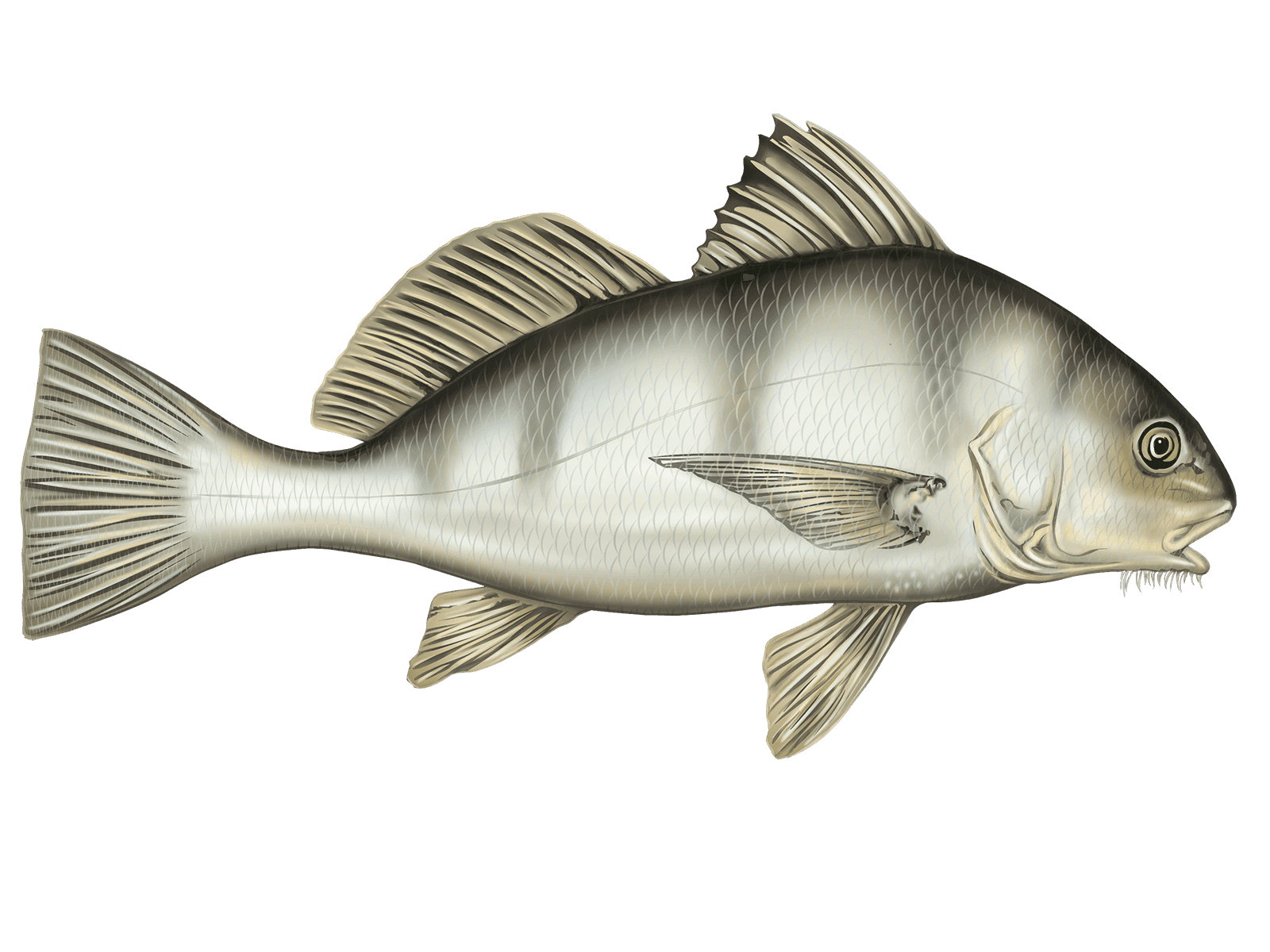
 Black Drum
- This 8-hour black drum charter takes you into Cape May and Delaware Bay waters during prime spring fishing season. We start at noon and spend the day bottom fishing with natural baits, targeting the big drum that move into shallow feeding areas this time of year. I'll show you the best positioning and help you read the bites
- these fish can be tricky but they're worth it. The boat handles up to six people comfortably, so it's great for families or small groups who want to focus on one species. Everything's included
- rods, reels, tackle, bait, and licenses. With 8 hours on the water, we have plenty of time to find the fish and switch up our approach as needed.
Trip Pricing and Availabilities:
Cape May 8 Hour Black Drum Fishing Charter
When you're ready to target some serious bottom fish in New Jersey waters, this 8-hour black drum charter puts you right where you need to be. Starting at noon from Cape May, we'll spend the day working the productive waters of Delaware Bay and the nearshore areas where these big drum come to feed during spring. This isn't your typical half-day trip – we've got plenty of time to move around, adjust our approach, and really dial in on what's working. With room for up to six anglers, it's perfect for family groups or a crew of friends looking to get after some real fish. Everything's included – tackle, bait, licenses, the works – so you can focus on what matters: putting fish in the boat.
What to Expect on the Water
This spring black drum trip is all about timing and patience. We launch at midday when the conditions are typically most stable, giving us the full afternoon and evening bite periods. Cape May and Delaware Bay offer some of the most consistent black drum fishing on the East Coast, especially during their spring migration patterns. The boat handles six guests comfortably, so there's plenty of room to spread out and everyone gets quality fishing time. We'll be moving between productive spots based on tides, water temperature, and where the fish are showing up. The extended 8-hour format gives us flexibility to really work different areas and adapt to what the fish are doing that day. You'll be fishing in water depths ranging from 15 to 40 feet, working structure and drop-offs where these drum like to cruise and feed.
Bottom Fishing Techniques
Black drum fishing is all about presentation and feel. We'll be using traditional bottom rigs with circle hooks and natural baits – think clams, crabs, and worms that match what these fish are feeding on naturally. The key is getting your bait right on the bottom and maintaining good contact with your rig so you can feel those subtle bites. Black drum don't slam baits like stripers; they're more methodical feeders that require patience and attention. I'll walk you through proper rod positioning and how to detect the difference between a bite and bottom contact. We use medium-heavy spinning tackle that gives you the backbone to handle big fish while still maintaining sensitivity. The rigs are simple but effective – typically fish-finder setups that let the bait move naturally with the current while keeping your sinker anchored.
Species You'll Want to Hook
Black drum are one of the most underrated gamefish in our waters, and spring is when they really shine in Cape May. These fish can range from schoolie-sized 5-pounders up to genuine giants pushing 40-50 pounds or more. The big ones are called "bull drum" for good reason – they're incredibly powerful fish that will test your drag system and your arms. What makes black drum special is their fighting style; they use their broad, deep bodies to leverage against you, making long, determined runs toward structure. Spring migration brings both resident fish and transient schools moving through the area, typically from late March through May when water temperatures hit that sweet spot between 55-65 degrees. The best part about targeting drum is their willingness to bite during different tide phases, though moving water generally produces better action. These fish are also excellent table fare when handled properly, with firm white meat that works great for fish tacos or blackened preparations.
Time to Book Your Spot
Spring black drum season in Cape May is relatively short but incredibly productive for anglers who time it right. This 8-hour format gives us the best shot at connecting with quality fish while experiencing some of the most consistent action Delaware Bay has to offer. The extended trip length means we're not rushed – we can take time to properly present baits, move between spots, and really focus on technique. Whether you're new to bottom fishing or an experienced angler looking to target a specific species, this trip delivers both education and results. The all-inclusive approach means you can show up ready to fish without worrying about tackle selection or bait procurement. These spring trips fill up quickly once word gets out about the bite, so securing your dates early ensures you don't miss out on some of the year's best black drum action. Give us a call to check availability and get your crew on the water for a day of serious bottom fishing.
Learn more about the species
Black Drum
Black drum are the heavyweights of Cape May and Delaware Bay, typically running 10-30 pounds with some bruiser fish pushing 50+ pounds. These powerful bottom-feeders love our shallow muddy flats and oyster beds, using their crushing jaws to demolish crabs and clams. Spring brings the best action when they school up in 3-15 feet of water during spawning season. They're called "drums" because they actually make drumming sounds you can hear underwater - pretty cool when you're over a big school. The fight is all about power and endurance rather than flashy jumps. Smaller drum under 15 pounds are excellent eating, but the big ones are better released. Here's a local tip: when you feel that first tap-tap-tap on fresh crab bait, resist setting the hook immediately. Let them mouth it for a few seconds - they're cautious feeders and need time to fully commit.
About the JP Charters
%2F%2Fusers%2Ffcdd61c6-05fa-41fa-a9a3-a5d77e11a55a%2Fvehicle_picture%2Fsnapinsta.to_627393866_18078359603352840_4995376765908490204_n-mm32izsy.jpg&w=1920&q=75)
Vehicle Guest Capacity: 6
Manufacturer Name: Mercury
Maximum Cruising Speed: 40
Number of Engines: 2
Horsepower per Engine: 350