%2Ffit-in%2F250x250%2Fguide_websites%2F119753%2Fimages%2F1772091957645chatgptimagefeb26202603_45_15pm.png&w=1920&q=100)
/users/fcdd61c6-05fa-41fa-a9a3-a5d77e11a55a/ratecard/4-mm34q4v3.jpg)
%2F300x300%2Fusers%2Ffcdd61c6-05fa-41fa-a9a3-a5d77e11a55a%2Fratecard%2F4-mm34q4v3.jpg&w=256&q=75)
%2F300x300%2Fusers%2Ffcdd61c6-05fa-41fa-a9a3-a5d77e11a55a%2Fimages%2Fcape-may-fishing-success-2613.jpg&w=256&q=75)
%2F300x300%2Fusers%2Ffcdd61c6-05fa-41fa-a9a3-a5d77e11a55a%2Fimages%2Fcape-may-tautog-fishing-catch-2550.jpg&w=256&q=75)
%2F300x300%2Fusers%2Ffcdd61c6-05fa-41fa-a9a3-a5d77e11a55a%2Fimages%2Fcape-may-tautog-catch-2530.jpg&w=256&q=75)
%2F300x300%2Fusers%2Ffcdd61c6-05fa-41fa-a9a3-a5d77e11a55a%2Fimages%2Fcape-may-cobia-fishing-catch-2547.jpg&w=256&q=75)
%2F300x300%2Fusers%2Ffcdd61c6-05fa-41fa-a9a3-a5d77e11a55a%2Fimages%2Fcape-may-black-sea-bass-2572.jpg&w=256&q=75)
%2F300x300%2Fusers%2Ffcdd61c6-05fa-41fa-a9a3-a5d77e11a55a%2Fimages%2Fblack-drum-cape-may-fishing-2553.jpg&w=256&q=75)
%2F300x300%2Fusers%2Ffcdd61c6-05fa-41fa-a9a3-a5d77e11a55a%2Fimages%2Fcape-may-black-sea-bass-2459.jpg&w=256&q=75)
%2F300x300%2Fusers%2Ffcdd61c6-05fa-41fa-a9a3-a5d77e11a55a%2Fimages%2Fcape-may-flounder-fishing-success-2502.jpg&w=256&q=75)
%2F300x300%2Fusers%2Ffcdd61c6-05fa-41fa-a9a3-a5d77e11a55a%2Fimages%2Fcape-may-bluefin-tuna-catch-2440.jpg&w=256&q=75)
%2F300x300%2Fusers%2Ffcdd61c6-05fa-41fa-a9a3-a5d77e11a55a%2Fimages%2Fcape-may-black-sea-bass-2918.jpg&w=256&q=75)
Cape May Bottom Fishing Charter 8 Hour JP Charters
 Cape May
What you will be catching:
 Black Sea Bass
 Summer Flounder
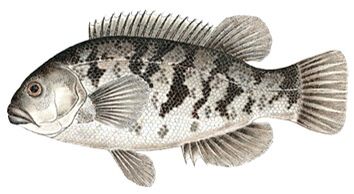 Tautog
- This 8-hour bottom fishing charter with JP Charters gives you serious time on Cape May's productive fishing grounds. Starting at 7 AM, you'll target black seabass, fluke, tautog, and black drum using proven bottom fishing techniques. The captain provides all gear, tackle, bait, and licenses, plus hands-on instruction to keep everyone catching fish throughout the day. With space for up to 6 anglers, it's perfect for families or small groups wanting a full day on the water. The flexibility to move spots and adjust techniques as conditions change means you're always fishing where the action is hottest.
Trip Pricing and Availabilities:
Cape May 8 Hour Bottom Fishing Charter
Looking for a full day on the water targeting Cape May's best bottom fish? This 8-hour charter with JP Charters puts you right where the action is, starting at 7 AM when the fish are hungry and the water's still calm. You'll have plenty of time to work the productive grounds off Cape May, switching spots and techniques as the bite changes throughout the day. With room for up to six anglers, it's perfect for families wanting to spend quality time together or groups of friends ready to fill the cooler with some of the area's top-rated bottom species.
What to Expect on the Water
This isn't your typical half-day rush job – eight hours gives you the luxury of really getting into the rhythm of bottom fishing. We'll start the morning hitting the closer inshore structure when the black sea bass are most active, then adjust our game plan based on what's biting and how the conditions play out. The beauty of a longer trip is flexibility – if the fluke are firing on the deeper wrecks, we can make that move. If the tautog are thick around the jetties, we'll work that structure hard. You'll get hands-on instruction throughout the day, so whether you're new to bottom fishing or just want to dial in your technique, everyone stays engaged and learning. The boat handles six guests comfortably, so there's plenty of room to fish without getting tangled up in each other's lines.
Bottom Fishing Techniques
We'll be fishing with a mix of light to medium-heavy tackle depending on what we're targeting and where we're fishing. For black sea bass on the wrecks, we'll use enough weight to get down and stay down, typically 6-8 oz sinkers with high-low rigs baited with squid strips or sea worms. When we're after fluke, we'll switch to fluke rigs with bucktails or sinkers, working the sandy bottom with strip baits and killifish. Tautog fishing means breaking out the heavier gear – these fish live in the rocks and will try to cut you off the second they feel the hook. We'll use green crabs, white leggers, and sometimes Asian crabs to tempt these bottom dwellers out of their rocky hideouts. All your tackle, bait, rods, and reels are included, plus your fishing license is covered, so you just need to show up ready to fish.
Top Catches This Season
Summer flounder, or fluke as we call them locally, are the bread and butter of Cape May bottom fishing from late spring through early fall. These flatfish can range from keeper-sized 19-inchers up to true doormat fluke pushing 8-10 pounds. They're ambush predators that bury themselves in the sand and wait for baitfish to swim by – that's why we work our baits with a slow drift and occasional lift of the rod tip. The bigger fluke tend to bite better on the deeper structure, especially during the heat of summer when they move offshore to cooler water. What makes fluke fishing so addictive is that every drift could produce anything from a short fish to a personal best. Tautog are the bruisers of the bottom fishing world, with thick shoulders and powerful jaws designed for crushing shellfish. These fish are structure-oriented and extremely seasonal – spring and fall are prime time when they're feeding heavily before and after spawning. A good-sized Cape May tautog runs 3-6 pounds, but we see fish pushing double digits every season. They're notorious for their ability to wrap you around the rocks, so when you hook one, you better be ready for a fight. Black sea bass might be smaller than the other target species, but they make up for size with numbers and attitude. These fish are aggressive feeders that school up on wrecks and rocky structure. They'll hit just about any bait you put in front of them, making them perfect for newer anglers or kids who want constant action. The daily bag limit keeps things interesting – you'll want to upgrade to bigger fish as the day goes on since only your best keepers make it into the cooler.
Time to Book Your Spot
An 8-hour bottom fishing charter gives you the complete Cape May fishing experience – enough time to hit multiple spots, try different techniques, and really get a feel for what makes this area so special for bottom fishing. The extended time on the water means better chances at trophy fish and full coolers, plus you'll learn techniques you can use for years to come. JP Charters has built a reputation for putting guests on fish while keeping the atmosphere relaxed and fun, whether you're a seasoned angler or picking up a rod for the first time. Book your spot now and get ready for a full day of world-class bottom fishing off one of the East Coast's most productive fishing destinations.
Learn more about the species
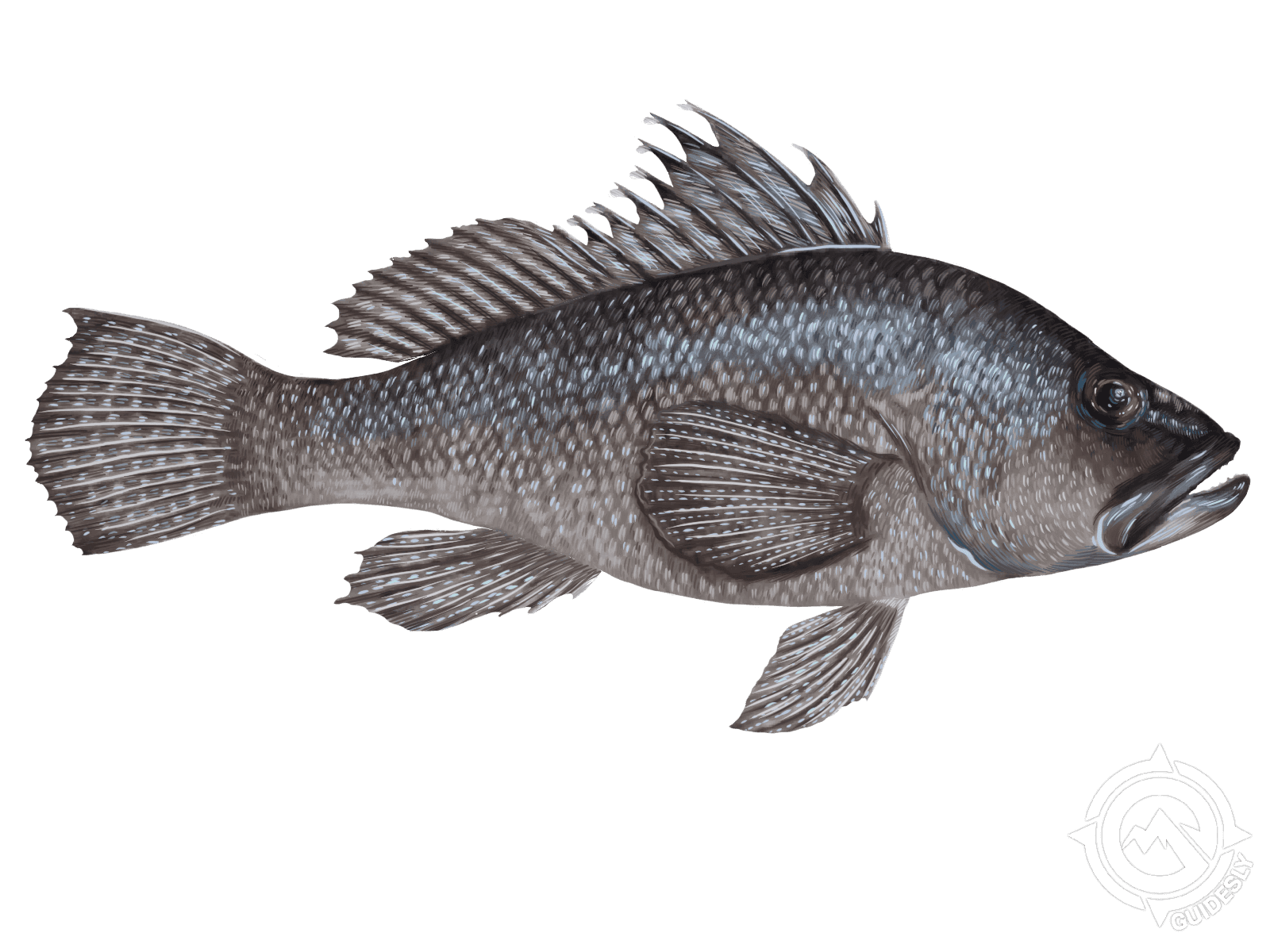
Black Sea Bass
Black sea bass are chunky, aggressive fish that love structure and put up a solid scrap. Most average 1-3 pounds with occasional 4-5 pounders mixed in during peak season. You'll find them around wrecks, rocks, and artificial reefs in 30-100 feet of water where they school up tight. Late spring through summer is prime time when they move inshore to feed and spawn. What makes sea bass great targets is their willingness to bite, decent fight, and fantastic eating - mild, flaky white meat that's perfect for the dinner table. They're also great for kids since they bite readily and aren't too finicky about bait. Local tip: once you hook one, keep your bait in the same spot. Sea bass school heavily, so where there's one, there's usually a dozen more waiting underneath.
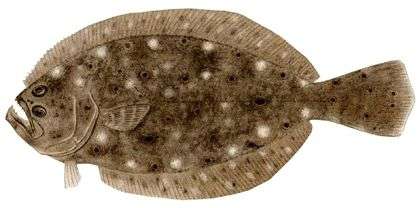
Summer Flounder
Summer flounder, or fluke, are masters of disguise that change color to match the bottom. These flatfish typically run 15-20 inches but can push into the mid-20 pound range. They're ambush predators that bury in sand and mud, waiting to nail baitfish swimming by. Around Cape May, we find them on sandy bottoms from 20-80 feet, especially near structure edges. Best fishing runs late spring through fall when they're feeding heavily before winter migration. What makes fluke special is their strong fight and excellent table fare - firm white meat that's hard to beat. Here's a local trick: when you feel that telltale tap-tap, let them run with it a few seconds before setting the hook. Fluke grab bait sideways and need time to turn it around.
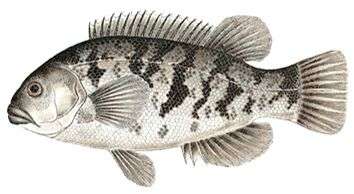
Tautog
Blackfish are the bulldogs of bottom fishing - thick, muscular fish with crushing jaws built for cracking shellfish. Most run 1-3 pounds, but we see plenty in the 4-6 pound range around local structure. They live tight to rocks, wrecks, and jetties where they feed on crabs and mussels. Spring and fall are prime time when they're most active and feeding before spawning or winter slowdown. What guests love about tog is their strong, stubborn fight and sweet, firm meat that rivals lobster. They're also territorial, so once you find one spot producing, you'll usually get multiple fish. Pro tip: use green crabs with legs removed, and fish right in the rocks. Don't worry about snags - you need to get close to where they live to catch them consistently.
About the JP Charters
%2F%2Fusers%2Ffcdd61c6-05fa-41fa-a9a3-a5d77e11a55a%2Fvehicle_picture%2Fsnapinsta.to_627393866_18078359603352840_4995376765908490204_n-mm32izsy.jpg&w=1920&q=75)
Vehicle Guest Capacity: 6
Manufacturer Name: Mercury
Maximum Cruising Speed: 40
Number of Engines: 2
Horsepower per Engine: 350