%2Ffit-in%2F250x250%2Fguide_websites%2F119753%2Fimages%2F1772091957645chatgptimagefeb26202603_45_15pm.png&w=1920&q=100)
/users/fcdd61c6-05fa-41fa-a9a3-a5d77e11a55a/ratecard/1-mm342ytx.jpg)
%2F300x300%2Fusers%2Ffcdd61c6-05fa-41fa-a9a3-a5d77e11a55a%2Fratecard%2F1-mm342ytx.jpg&w=256&q=75)
%2F300x300%2Fusers%2Ffcdd61c6-05fa-41fa-a9a3-a5d77e11a55a%2Fimages%2Fcape-may-fishing-success-2613.jpg&w=256&q=75)
%2F300x300%2Fusers%2Ffcdd61c6-05fa-41fa-a9a3-a5d77e11a55a%2Fimages%2Fcape-may-tautog-fishing-catch-2550.jpg&w=256&q=75)
%2F300x300%2Fusers%2Ffcdd61c6-05fa-41fa-a9a3-a5d77e11a55a%2Fimages%2Fcape-may-tautog-catch-2530.jpg&w=256&q=75)
%2F300x300%2Fusers%2Ffcdd61c6-05fa-41fa-a9a3-a5d77e11a55a%2Fimages%2Fcape-may-cobia-fishing-catch-2547.jpg&w=256&q=75)
%2F300x300%2Fusers%2Ffcdd61c6-05fa-41fa-a9a3-a5d77e11a55a%2Fimages%2Fcape-may-black-sea-bass-2572.jpg&w=256&q=75)
%2F300x300%2Fusers%2Ffcdd61c6-05fa-41fa-a9a3-a5d77e11a55a%2Fimages%2Fblack-drum-cape-may-fishing-2553.jpg&w=256&q=75)
%2F300x300%2Fusers%2Ffcdd61c6-05fa-41fa-a9a3-a5d77e11a55a%2Fimages%2Fcape-may-black-sea-bass-2459.jpg&w=256&q=75)
%2F300x300%2Fusers%2Ffcdd61c6-05fa-41fa-a9a3-a5d77e11a55a%2Fimages%2Fcape-may-flounder-fishing-success-2502.jpg&w=256&q=75)
%2F300x300%2Fusers%2Ffcdd61c6-05fa-41fa-a9a3-a5d77e11a55a%2Fimages%2Fcape-may-bluefin-tuna-catch-2440.jpg&w=256&q=75)
%2F300x300%2Fusers%2Ffcdd61c6-05fa-41fa-a9a3-a5d77e11a55a%2Fimages%2Fcape-may-black-sea-bass-2918.jpg&w=256&q=75)
Cape May Inshore Fishing Charter JP Charters
 Cape May
What you will be catching:
 Black Drum
 Black Sea Bass
 Bluefish
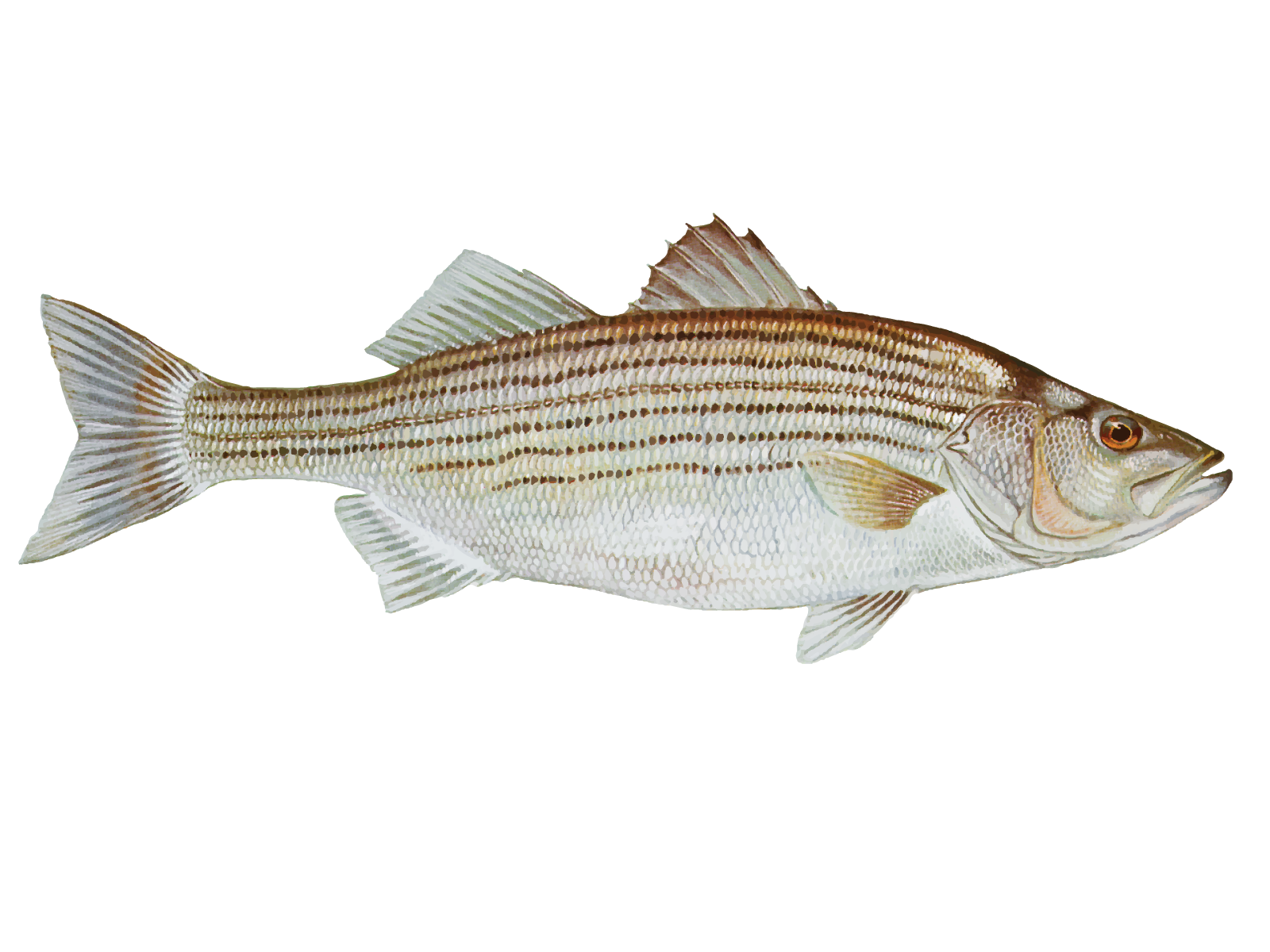 Striped Bass
 Summer Flounder
- This 4-hour private charter out of Cape May puts you right in the heart of productive inshore waters where striped bass, fluke, bluefish, and black sea bass are waiting. JP Charters runs morning trips at 7 AM and afternoon departures at 12 PM, giving you flexibility to fit fishing into your schedule. The boat handles up to six people comfortably, making it perfect for families or small groups who want personalized attention on the water. Your captain will adjust techniques based on what's biting
- whether that's trolling for stripers or dropping bottom rigs for fluke. All gear, bait, and licenses are covered, so you just need to show up ready to fish. Kids and first-timers get plenty of hands-on coaching, while experienced anglers can focus on putting fish in the boat.
Trip Pricing and Availabilities:
Cape May 4 Hour Inshore Fishing Charter
Looking for a solid day on the water without committing to a marathon fishing session? This 4-hour private charter hits the sweet spot for families, newcomers to saltwater fishing, and seasoned anglers who want quality time on Cape May's productive inshore waters. With morning trips launching at 7 AM and afternoon options starting at noon, you can pick what works best for your schedule. The boat handles up to six guests comfortably, giving everyone room to cast, learn, and land fish without feeling crowded. JP Charters provides everything you need - rods, reels, tackle, bait, and even covers your fishing license - so you just show up ready to fish.
What to Expect on the Water
Cape May's inshore waters offer some of the most consistent fishing along the Jersey coast, and this charter takes full advantage of that reputation. You'll be targeting the area's most popular species including striped bass, summer flounder (fluke), bluefish, black sea bass, and black drum, depending on what's running during your visit. The captain adjusts tactics based on conditions, guest experience levels, and what's biting that day. Some trips focus on structure fishing around wrecks and reefs where black sea bass and fluke hang out, while others might involve trolling for stripers and blues along the beach front. The relaxed pace allows plenty of time for hands-on instruction, making it perfect for kids getting their first taste of saltwater fishing or adults who want to brush up on techniques without pressure.
Gear and Fishing Methods
The beauty of this charter lies in its flexibility. Depending on conditions and what you're after, you might find yourself bottom fishing with medium-heavy tackle over structure, or trolling with lighter gear along drop-offs and current breaks. When targeting fluke and sea bass, expect to use standard bottom rigs with sinkers matched to the drift and current. For stripers and blues, the captain might break out the trolling spread with umbrella rigs, spoons, or tube-and-worm combinations that these fish can't resist. All tackle is tournament-quality and well-maintained, from the reels down to the hooks. The boat carries a good selection of weights, leaders, and terminal tackle to handle changing conditions throughout the trip. If you prefer to bring your own gear, that's welcomed too - just make sure it's appropriate for inshore saltwater fishing.
Top Catches This Season
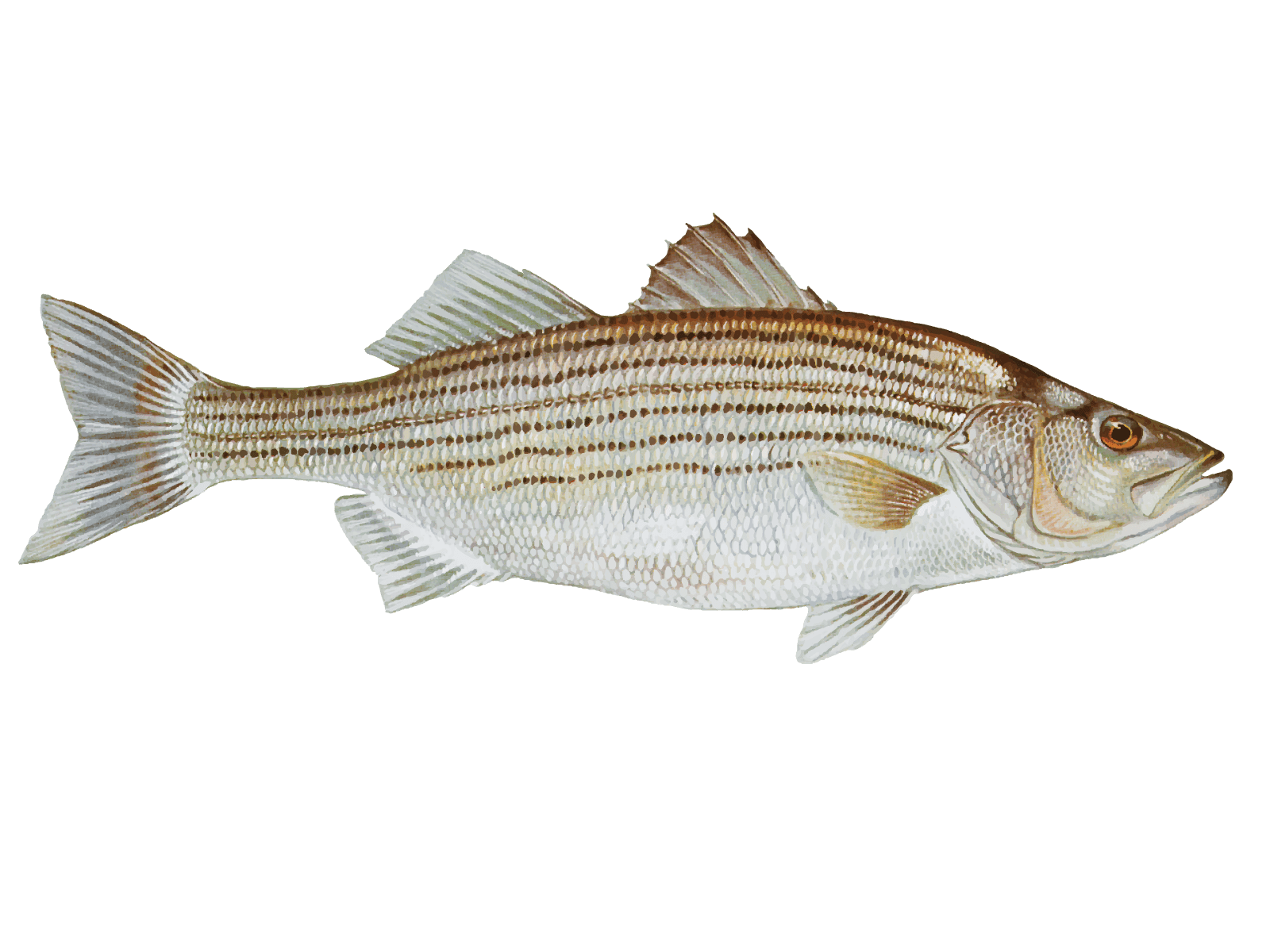
Striped bass remain the crown jewel of Cape May inshore fishing, and for good reason. These silver-sided battlers show up in decent numbers from late April through November, with peak action typically occurring during the spring and fall migrations. School-sized fish in the 20-28 inch range provide steady action and great eating, while trophy fish over 35 inches test your drag and create lasting memories. What makes stripers special is their willingness to hit both live bait and artificials, plus they fight hard from the moment they feel the hook.
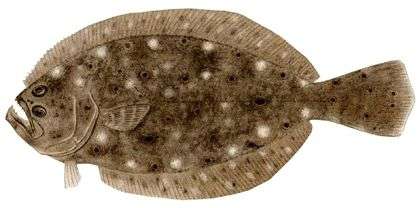
Summer flounder, or fluke as locals call them, are the flatfish that keeps Cape May guides busy from May through September. These bottom-dwellers are masters of camouflage, lying buried in sand waiting to ambush baitfish. Keeper-sized fluke (over 18 inches) are prized for their firm, white meat and challenging fight that includes head-shaking runs and powerful dives back to the bottom. The largest fluke can exceed 25 inches and provide enough fillets to feed the whole family. They're also one of the best species for teaching newcomers how to feel subtle bites and set the hook properly.
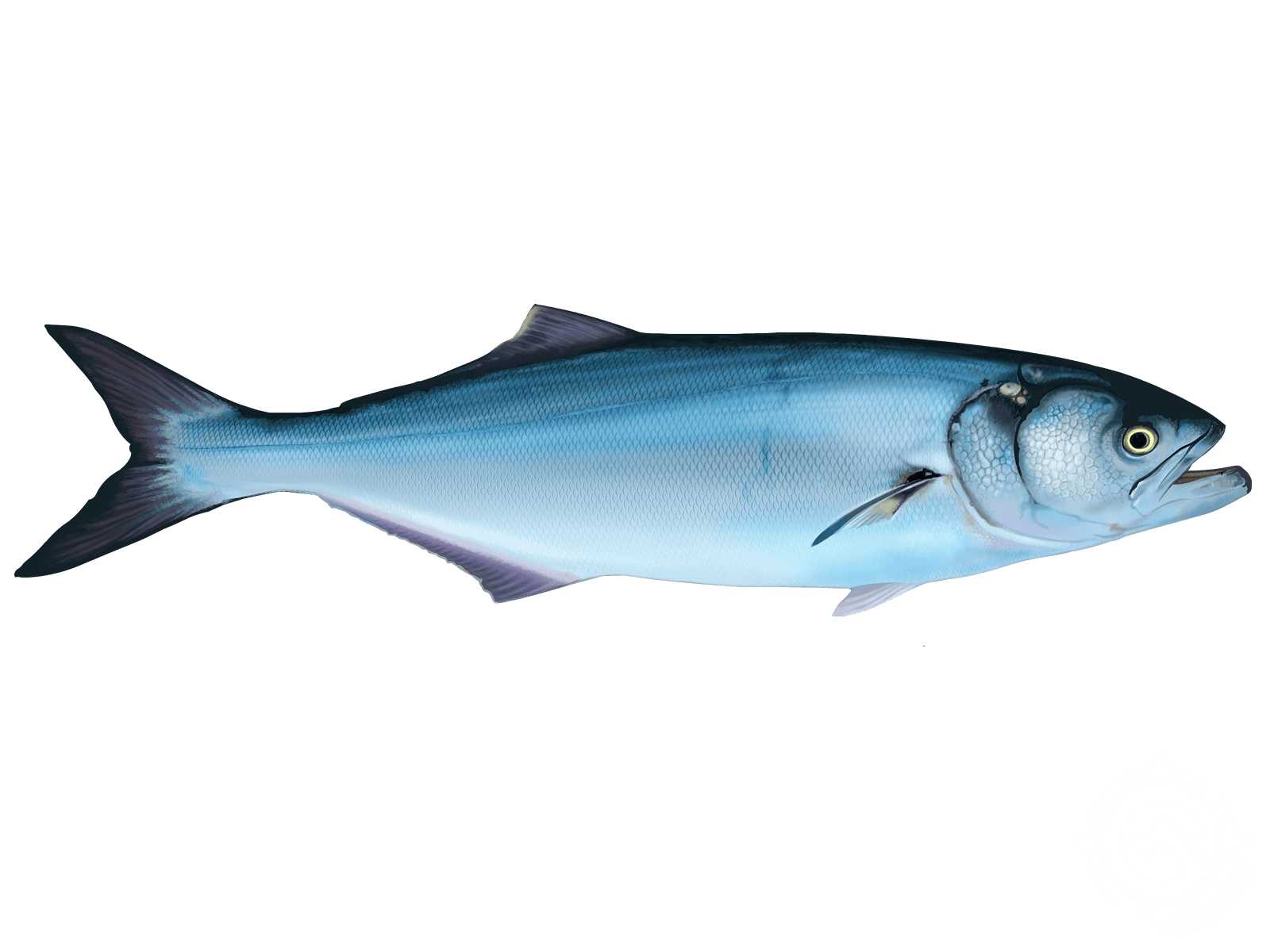
Bluefish bring the action and attitude that make inshore fishing exciting. These aggressive predators travel in schools and when you find them, fast-paced fishing follows. Blues hit hard, fight harder, and aren't picky about what they eat. They're perfect for kids and beginners because they bite aggressively and don't require finesse fishing. Peak bluefish action happens during their spring and fall migrations, but scattered schools patrol Cape May waters throughout the summer months.
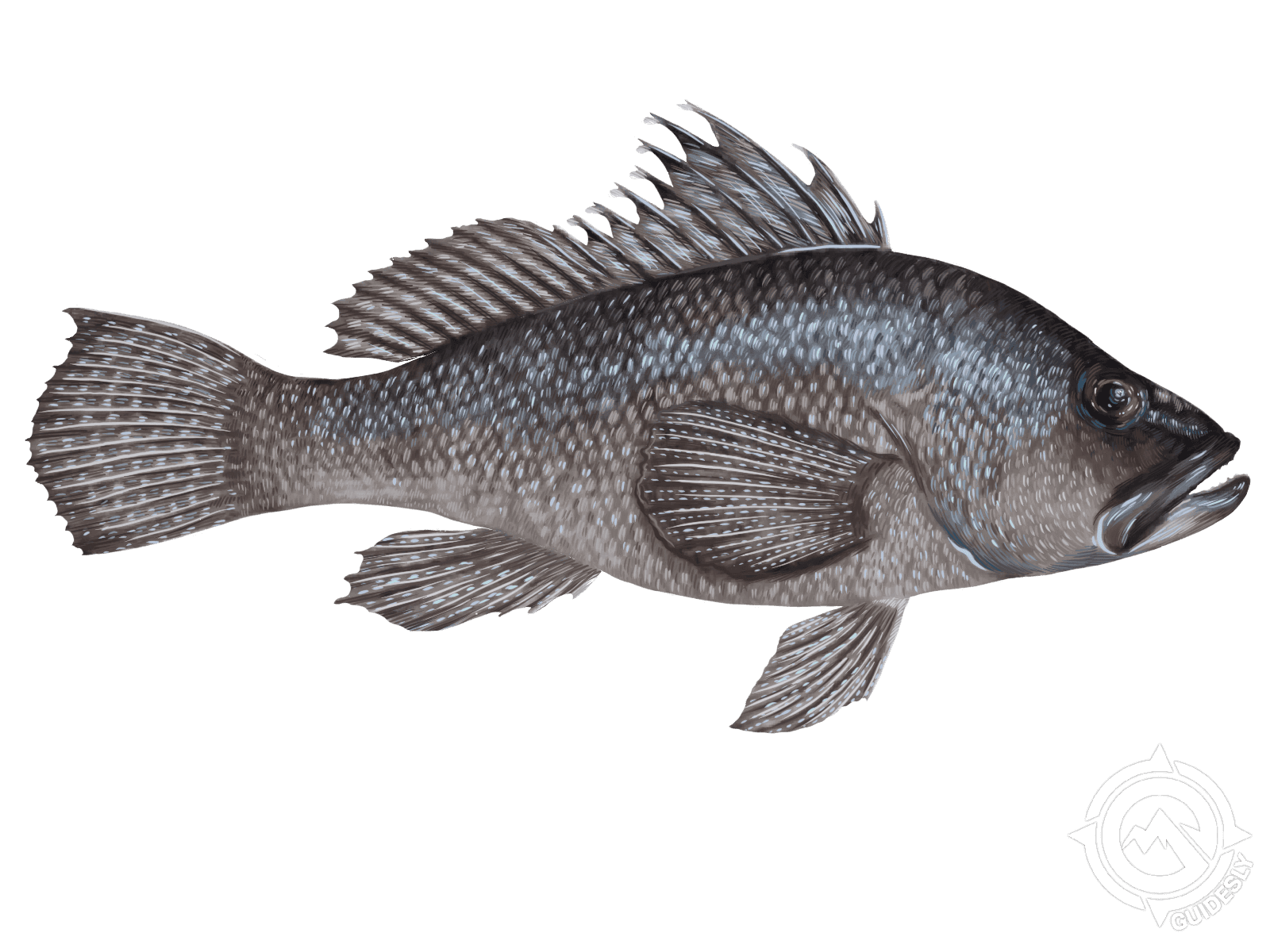
Black sea bass might be smaller than the other target species, but they make up for size with numbers and eating quality. These reef-dwellers are abundant around Cape May's numerous wrecks and rock piles from May through December. They're relatively easy to catch once you locate structure, making them ideal confidence-builders for new anglers. Their sweet, flaky meat rivals any restaurant fish, and their willingness to bite makes them a guide's best friend when other species aren't cooperating.
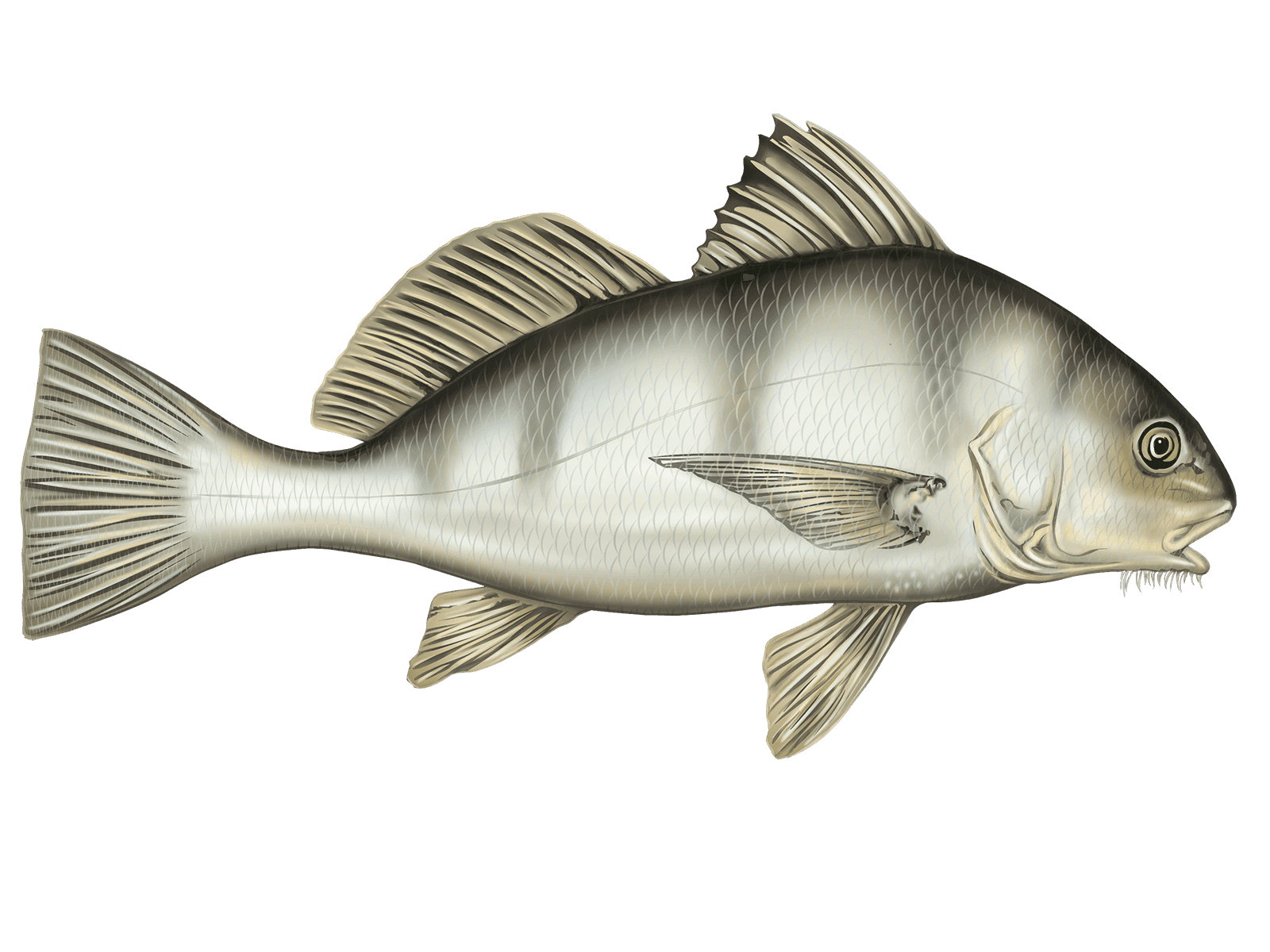
Black drum round out the target list as the gentle giants of the inshore scene. These bronze-colored bottom feeders can reach impressive sizes, with fish over 30 pounds not uncommon in Cape May waters. They're particularly active during spring months when they move inshore to spawn. Drum fishing requires patience since these fish are deliberate feeders, but their powerful runs and bulldogging fights make the wait worthwhile. They're also excellent for teaching proper fish handling since their size demands respect and good technique.
Time to Book Your Spot
This 4-hour charter delivers exactly what it promises - quality fishing time on productive waters with professional guidance and top-notch equipment. Whether you're introducing kids to saltwater fishing, learning new techniques, or just want a focused half-day trip, Cape May's inshore waters rarely disappoint. The combination of diverse species, varied fishing methods, and comfortable boat accommodations makes this a customer favorite that keeps anglers coming back season after season. With all gear and licenses included, plus flexible morning and afternoon departure times, booking your next Cape May fishing adventure couldn't be easier. Contact JP Charters to secure your spot and get ready to experience some of the East Coast's most consistent inshore fishing.
Learn more about the species
Black Drum
Black drum are the bulldozers of Cape May's inshore waters, typically running 5-30 pounds with fish over 40 pounds showing up regularly. These powerful bottom feeders love shallow mudflats, oyster beds, and creek mouths where they use their crushing jaws to feed on crabs and clams. Spring is prime time when they school up for spawning, making them easier to target. You'll hear them "drumming" underwater during this period - a unique sound that gives them their name. They're scrappy fighters that test your drag, though the smaller ones under 15 pounds are much better eating. Fresh crab is the ticket - peeler crabs work best since they stay on the hook and black drum can't resist them.
Black Sea Bass
Black sea bass are chunky bottom dwellers that love hanging around wrecks, reefs, and hard structure in 15-80 feet of water. Most run 1-4 pounds, but we regularly see fish pushing 6-8 pounds, especially the big breeding males with their distinctive humped heads. Peak season is late spring through early fall when they move inshore. These fish put up a solid scrap on light tackle and are fantastic table fare - sweet, flaky white meat that's hard to beat. They're perfect for families since they bite readily on squid, clams, or sea worms. The key is getting your bait right to the bottom and staying patient - they'll often mouth the bait before committing to a full bite.
Bluefish
Bluefish are aggressive fighters that show up in Cape May waters from late spring through fall, typically running 2-8 pounds with occasional larger fish. These voracious predators love to feed in schools, often creating surface blitzes where the water erupts with activity. You'll find them around inlet mouths, along the surf, and over structure in 10-40 feet of water. They hit hard and make strong runs, making them perfect for kids and beginners who want some real action. The meat is excellent when properly handled - bleed them right away and keep them cold. Pro tip: when you see diving birds or surface commotion, get there fast with a metal spoon or bucktail jig.
Striped Bass
Striped bass are the crown jewel of Cape May fishing, running anywhere from schoolie size up to 40+ pound cows. These silver-sided fighters love structure - jetties, wrecks, and drop-offs in 10-50 feet of water. Spring and fall migrations offer the best action, but we catch them year-round. They're strong swimmers that make long runs and test your drag. The meat is excellent, especially fish in the 20-30 inch range. Stripers can be finicky, so we match the bait to what they're feeding on - bunker, herring, or eels work well. My go-to trick is finding moving water near structure during dawn or dusk when they're most active. Live bait fished near the bottom usually does the trick.
Summer Flounder
Summer flounder, or fluke as we call them locally, are masters of camouflage that lie flat on sandy and muddy bottoms waiting to ambush prey. Most run 15-20 inches, but we see plenty of "doormat" fluke over 5 pounds each season. They're active from late spring through early fall, with September and October being prime time. These fish are excellent eating - sweet, white, flaky meat that's perfect for the dinner table. The challenge is their light bite - they'll often just mouth the bait. We drift over structure and sand in 10-40 feet using bucktails tipped with squid or killies. Key tip: when you feel that subtle tap, count to three before setting the hook to give them time to turn the bait.
About the JP Charters
%2F%2Fusers%2Ffcdd61c6-05fa-41fa-a9a3-a5d77e11a55a%2Fvehicle_picture%2Fsnapinsta.to_627393866_18078359603352840_4995376765908490204_n-mm32izsy.jpg&w=1920&q=75)
Vehicle Guest Capacity: 6
Manufacturer Name: Mercury
Maximum Cruising Speed: 40
Number of Engines: 2
Horsepower per Engine: 350