%2Ffit-in%2F250x250%2Fguide_websites%2F119753%2Fimages%2F1772091957645chatgptimagefeb26202603_45_15pm.png&w=1920&q=100)
/users/fcdd61c6-05fa-41fa-a9a3-a5d77e11a55a/ratecard/5-mm34n73s.jpg)
%2F300x300%2Fusers%2Ffcdd61c6-05fa-41fa-a9a3-a5d77e11a55a%2Fratecard%2F5-mm34n73s.jpg&w=256&q=75)
%2F300x300%2Fusers%2Ffcdd61c6-05fa-41fa-a9a3-a5d77e11a55a%2Fimages%2Fcape-may-fishing-success-2613.jpg&w=256&q=75)
%2F300x300%2Fusers%2Ffcdd61c6-05fa-41fa-a9a3-a5d77e11a55a%2Fimages%2Fcape-may-tautog-fishing-catch-2550.jpg&w=256&q=75)
%2F300x300%2Fusers%2Ffcdd61c6-05fa-41fa-a9a3-a5d77e11a55a%2Fimages%2Fcape-may-tautog-catch-2530.jpg&w=256&q=75)
%2F300x300%2Fusers%2Ffcdd61c6-05fa-41fa-a9a3-a5d77e11a55a%2Fimages%2Fcape-may-cobia-fishing-catch-2547.jpg&w=256&q=75)
%2F300x300%2Fusers%2Ffcdd61c6-05fa-41fa-a9a3-a5d77e11a55a%2Fimages%2Fcape-may-black-sea-bass-2572.jpg&w=256&q=75)
%2F300x300%2Fusers%2Ffcdd61c6-05fa-41fa-a9a3-a5d77e11a55a%2Fimages%2Fblack-drum-cape-may-fishing-2553.jpg&w=256&q=75)
%2F300x300%2Fusers%2Ffcdd61c6-05fa-41fa-a9a3-a5d77e11a55a%2Fimages%2Fcape-may-black-sea-bass-2459.jpg&w=256&q=75)
%2F300x300%2Fusers%2Ffcdd61c6-05fa-41fa-a9a3-a5d77e11a55a%2Fimages%2Fcape-may-flounder-fishing-success-2502.jpg&w=256&q=75)
%2F300x300%2Fusers%2Ffcdd61c6-05fa-41fa-a9a3-a5d77e11a55a%2Fimages%2Fcape-may-bluefin-tuna-catch-2440.jpg&w=256&q=75)
%2F300x300%2Fusers%2Ffcdd61c6-05fa-41fa-a9a3-a5d77e11a55a%2Fimages%2Fcape-may-black-sea-bass-2918.jpg&w=256&q=75)
Cape May 14hr Offshore Canyon Fishing JP Charters
 Cape May
What you will be catching:
 Bluefin Tuna
 Mahi Mahi or Common Dolphinfish
 Swordfish
 White Marlin
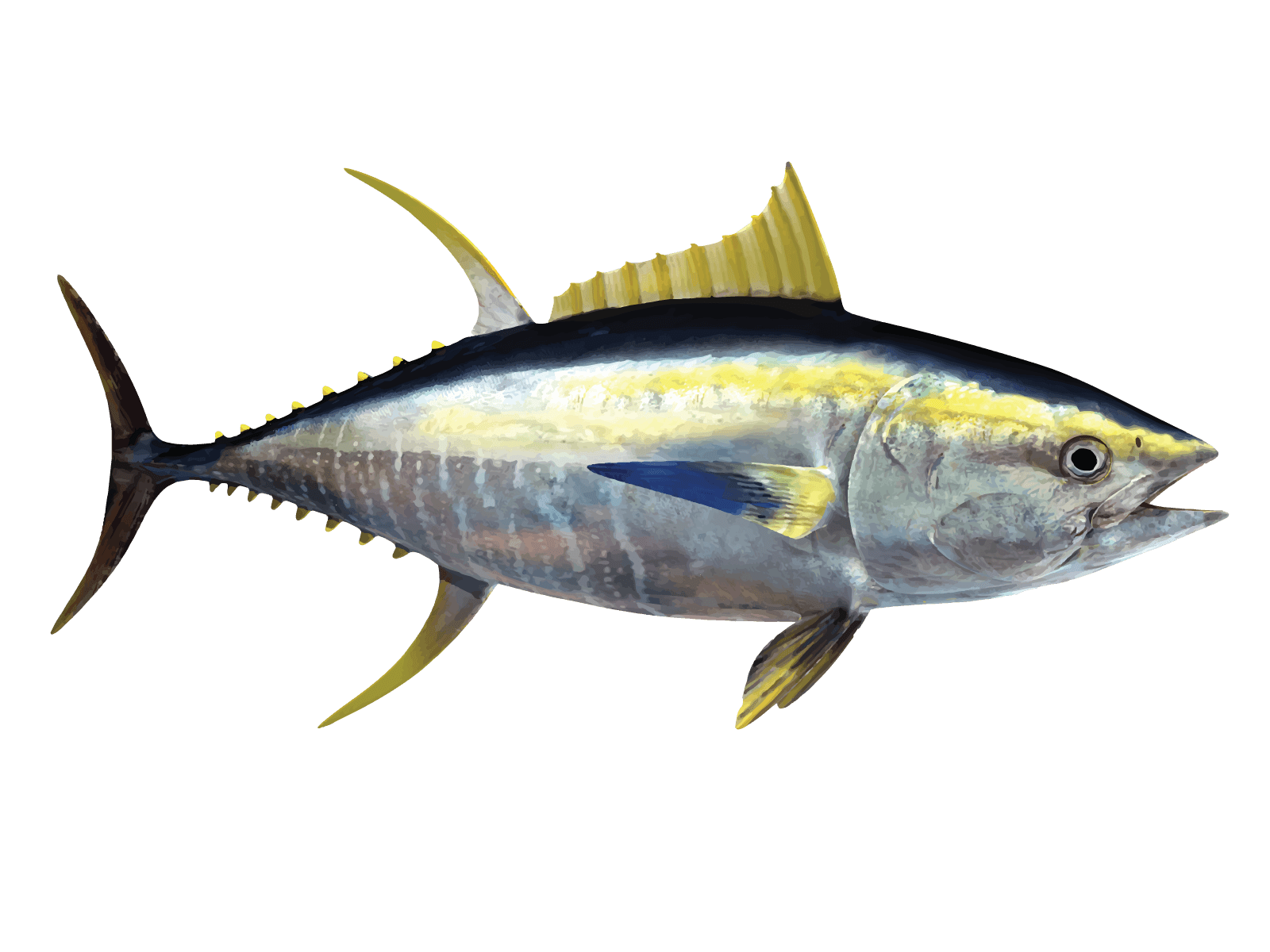
 Yellowfin Tuna
- This 14-hour canyon fishing trip out of Cape May is serious offshore fishing at its best. Starting at 2:30 AM, you'll head to the deep canyon waters where tuna, mahi mahi, and other big pelagic species roam. The boat takes up to six anglers and covers plenty of ground, hitting multiple fishing spots throughout the day. You'll try different techniques like trolling, chunking, and jigging based on what's working and what the fish are doing. All your gear, tackle, bait, and licenses are covered, so you just need to show up ready for a long day on the water. This trip is perfect for experienced anglers or anyone ready to tackle the challenge of deep water fishing in some of the best canyon grounds off the Jersey coast.
Trip Pricing and Availabilities:
Cape May 14 Hour Offshore Canyons Fishing Charter
Picture this: you're heading out of Cape May at 2:30 AM under a blanket of stars, coffee steaming in your hands, knowing you've got 14 solid hours ahead to chase some of the Atlantic's most prized gamefish. This isn't your typical half-day trip – we're talking about a serious offshore adventure that takes you deep into the canyon waters where the big fish live. JP Charters has crafted this marathon fishing experience for anglers who want to go the distance, literally and figuratively. With room for six guests max, you'll get personalized attention while targeting trophy species like yellowfin tuna, mahi mahi, white marlin, and even the occasional swordfish. Everything's included – rods, reels, tackle, bait, and licenses – so all you need to bring is your appetite for adventure and maybe some snacks for the long haul.
What to Expect on the Water
Starting before dawn gives us a huge advantage – we can reach those prime canyon spots while other boats are still tied to the dock. The ride out takes us through some of the most productive waters off the Jersey coast, and by the time the sun comes up, we're already setting lines in fish-rich territory. This trip is built for variety, so don't expect to sit in one spot all day. We'll move between different canyon edges and drop-offs, reading the water and adjusting our game plan based on what the fish are telling us. The extended timeframe means we can afford to be patient and really work an area when we find active fish. You might start the morning trolling for mahi, switch to chunking for tuna by midday, then finish with some deep jigging as the afternoon winds down. It's this flexibility that makes these long trips so productive – and so addictive for serious anglers.
Techniques and Tackle
Canyon fishing demands versatility, and that's exactly what you'll get on this charter. We'll employ multiple techniques throughout the day depending on conditions and target species. Trolling is often how we start, pulling spreads of lures and rigged baits to cover water and locate feeding fish. Once we find them, we might switch to chunking – setting up a slick with cut bait to draw fish close to the boat where you can sight-cast or fish heavy tackle. Deep water jigging comes into play when fish are holding tight to structure or suspended in the water column. The beauty of having 14 hours is that we can really dial in what's working best. All the gear is top-notch and perfectly matched to the techniques we'll be using. Heavy conventional reels spooled with braided line for the deep stuff, spinning gear for when the fish get finicky, and everything in between. The captain will walk you through each setup and technique, so whether you're a canyon veteran or this is your first time in these waters, you'll be fishing effectively from the start.
Species You'll Want to Hook
Yellowfin tuna are the bread and butter of canyon fishing, and these Cape May waters hold some real bruisers. These fish are built for speed and endurance – they'll test your stamina just as much as your tackle. Peak season runs from June through October, with the best action often happening in the early morning or late afternoon. When a yellowfin hits your line, you'll know it immediately – they make blazing runs that can strip hundreds of yards of line in seconds. What makes them so special is their fight-to-the-finish attitude; they never give up, even at the boat. Plus, they're absolutely delicious, making them the perfect combination of sport and table fare.
Mahi mahi bring a completely different energy to the trip – they're the acrobats of the offshore world. These fish love to jump, twist, and put on a show that'll have everyone on the boat cheering. They're also school fish, so when you find one, there are usually more around. Mahi are most active from late spring through early fall, and they have this habit of hanging around floating debris, weed lines, and current breaks. Their brilliant colors – electric blues, greens, and golds – make them one of the most beautiful fish in the ocean. They're also incredibly good eating, with firm white meat that's perfect for the grill.
White marlin are the Holy Grail for many canyon anglers, and Cape May's waters have earned a reputation as one of the East Coast's premier white marlin destinations. These billfish are relatively small compared to their blue marlin cousins, but what they lack in size they make up for in aerial displays. A hooked white marlin will often spend more time out of the water than in it, tail-walking and jumping in spectacular fashion. Summer months offer the best opportunities, particularly when water temperatures climb into the mid-70s and beyond. Landing a white marlin is a badge of honor in the offshore fishing community – it's a fish that many anglers chase for years before getting their first shot.
Swordfish fishing is night fishing taken to the extreme, and these deep-water gladiators represent the ultimate canyon challenge. While most swordfish action happens after dark, daytime sword fishing has been gaining popularity, especially during the summer months. These fish live in the deepest parts of the canyons, often 1,500 feet down or more. They're massive, powerful, and absolutely prehistoric looking with that distinctive bill and huge dorsal fin. A swordfish fight is more about endurance than speed – it's a slow, grinding battle that can last hours. The reward is one of the ocean's most prized trophies and some of the finest eating you'll ever experience.
Bluefin tuna are the giants of the tuna world, and when conditions are right, Cape May's canyons can produce some truly memorable encounters. These fish are built like underwater missiles – pure muscle and power wrapped in a hydrodynamic package that can reach speeds over 40 mph. Bluefin seasons vary, but there's often good action in the spring and fall when schools move through the area
Learn more about the species
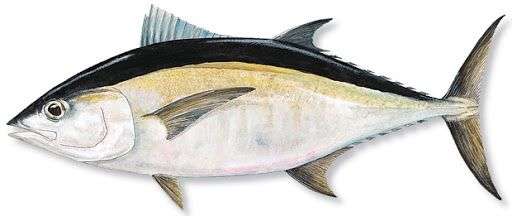
Bluefin Tuna
Bluefin tuna are the ultimate prize fish - these giants average 6-7 feet and 400-600 pounds, with some monsters pushing over 1,000 pounds. They're found throughout our canyon waters from spring through fall, preferring cooler water temps in the 60-70 degree range. Being warm-blooded, they can handle temperature changes that shut down other species. The fight is legendary - powerful runs, deep dives, and stamina that can last hours. It's the combination of size, strength, and the fact that bluefin sashimi is considered the finest in the world. These fish are heavily regulated, so we follow all permit and reporting requirements. My best advice: when trolling for them, use fresh herring or mackerel, and be ready with your heaviest tackle. Once hooked, settle in for the long haul - rushing these fish usually means losing them.
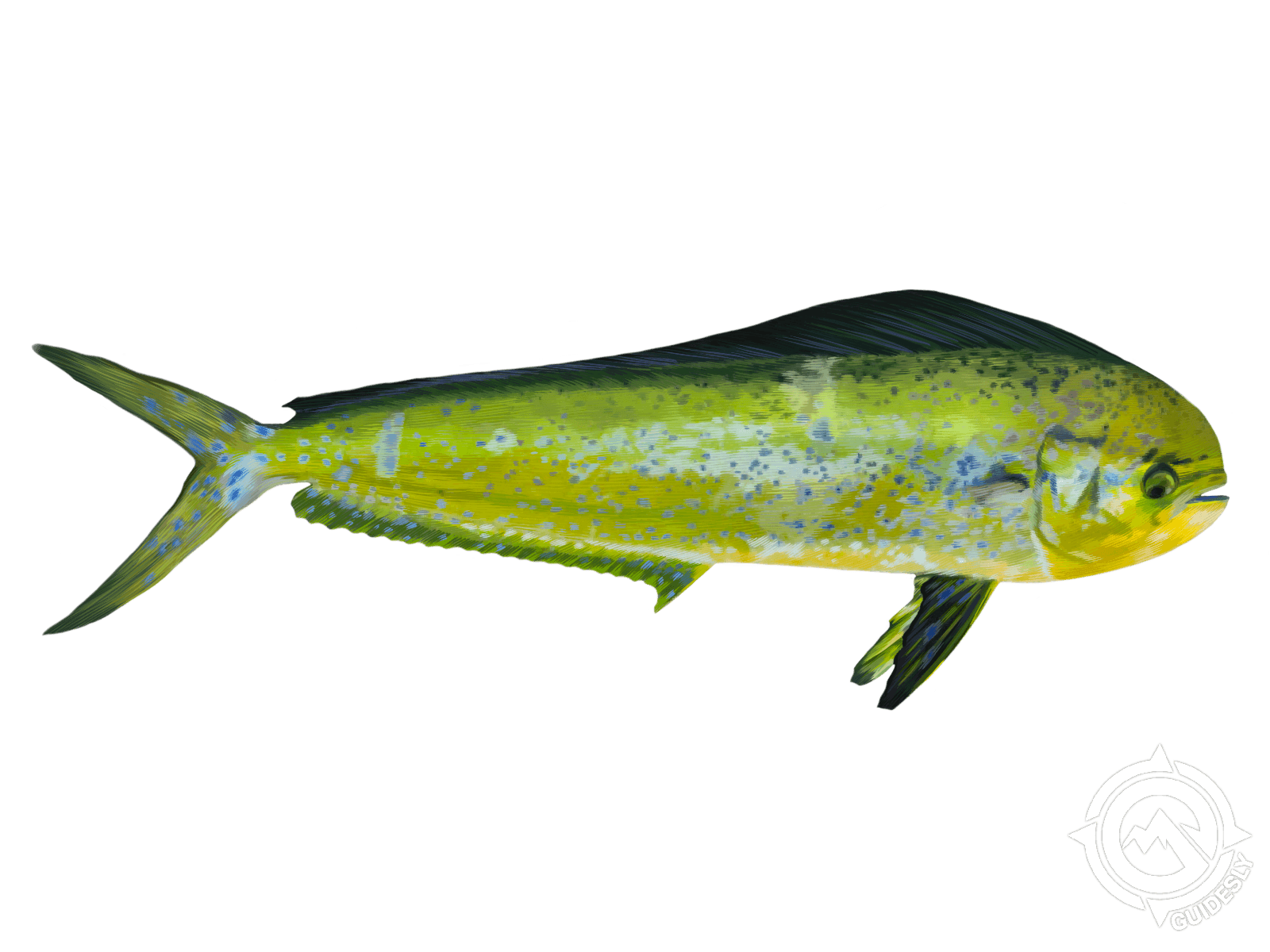
Mahi Mahi or Common Dolphinfish
Mahi mahi are some of the most beautiful fish you'll see out there, with brilliant golden sides and electric blue-green backs that put on a real light show when they come out of the water. These fast-growing fish typically run 15-30 pounds, though we see some bulls pushing 50+ pounds during peak season. They love hanging around floating debris, weed lines, and temperature breaks in that 100-300 foot range. Summer through early fall is prime time when water temps hit the mid-70s. What makes them special is the combination - they fight hard with multiple jumps, they're absolutely gorgeous, and the meat is some of the best eating you'll find offshore. Pro tip: when you hook one, keep your eyes peeled for others nearby since they usually travel in small schools.
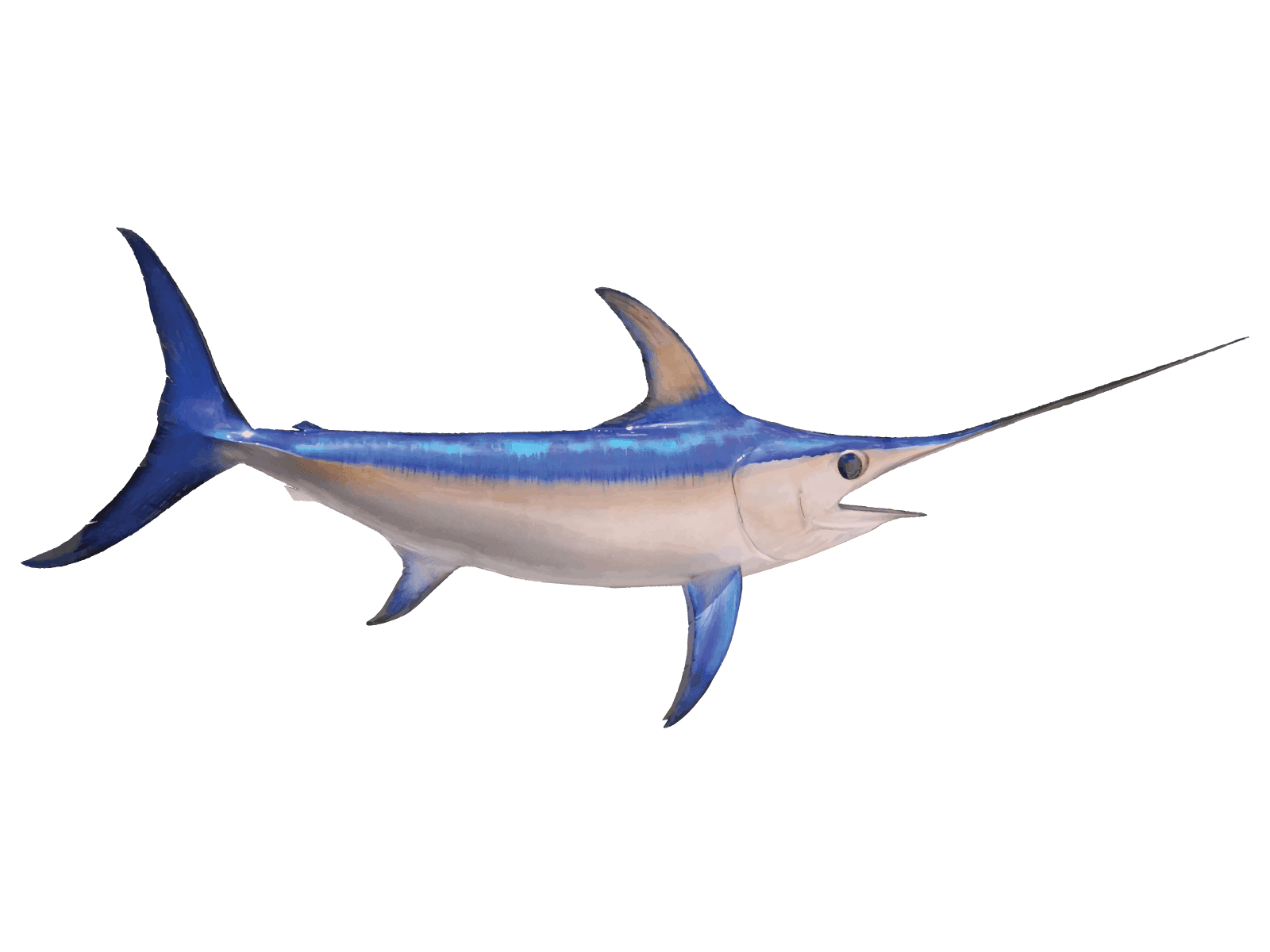
Swordfish
Swordfish are the night shift specialists of our deep water fishing, averaging 9 feet long and 300-400 pounds. These deep-dwelling giants live in 1,000+ feet of water during the day but move up to the 300-600 foot range after dark to feed. We target them year-round, but summer months give us the best shot when they're most active. What draws people to swordfishing is the challenge - it's technical fishing with heavy tackle, and when you connect, you're battling one of the ocean's strongest fish. The meat is fantastic too, with that firm, steak-like texture. The secret is getting your bait down to the right depth with enough weight to beat the current. I always run 2-3 glow sticks on the leader - those big eyes can spot a faint glow from way off in the deep water.
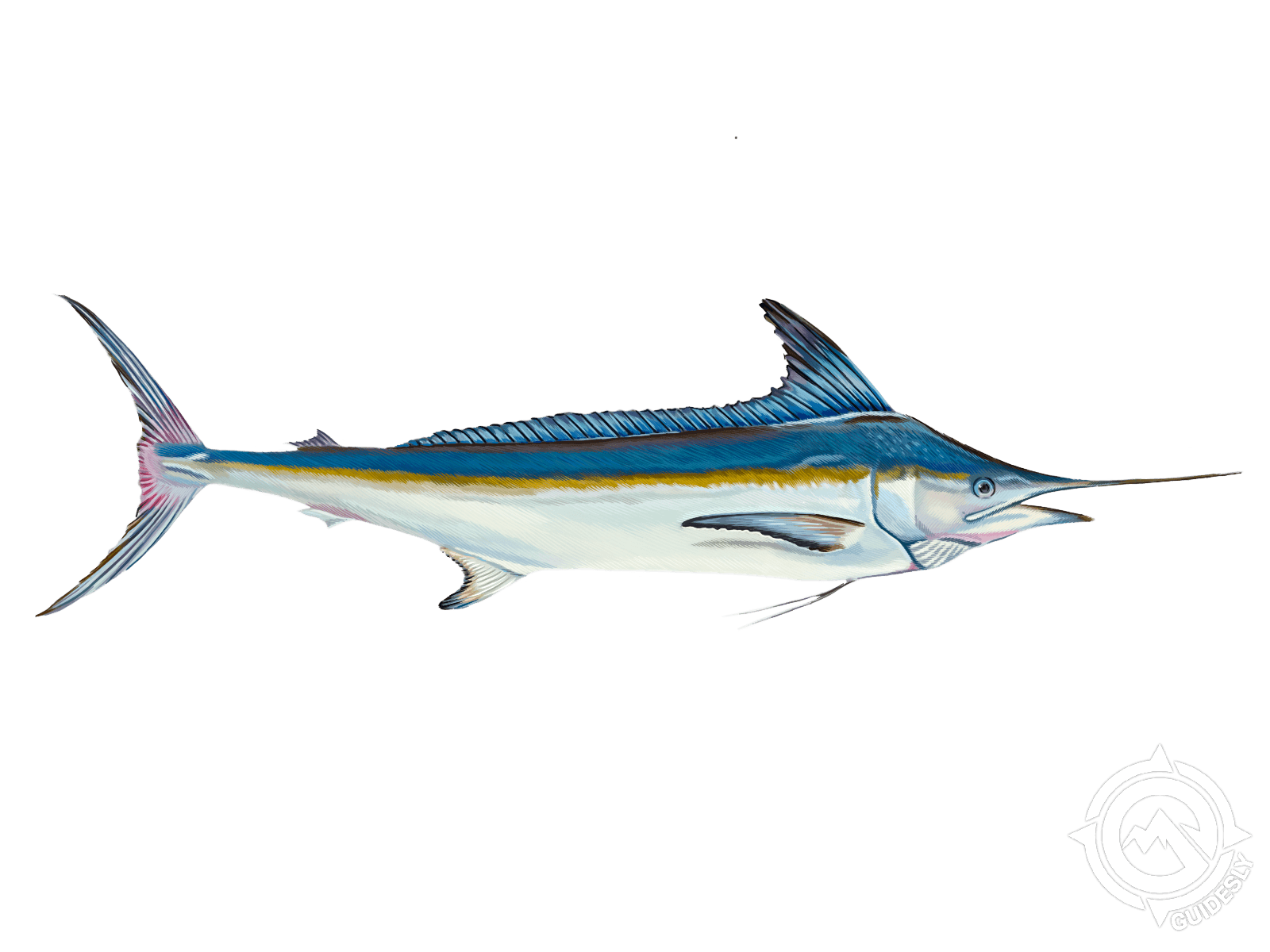
White Marlin
White marlin are the holy grail of our canyon fishing - these apex predators can stretch 8-9 feet and weigh up to 180 pounds. They cruise the deep blue water around canyon edges and underwater structure, typically in that 100-600 foot zone where the temperature breaks set up. Peak season runs June through September when water temps are in the upper 70s to low 80s. What sets them apart is the spectacular fight with multiple jumps and long runs that can peel off hundreds of yards of line. Plus, catching a billfish is a lifetime achievement for most anglers. The key is watching your spread carefully - they'll often show behind the bait before striking. When you see that bill slash at your ballyhoo, resist the urge to set the hook immediately. Let them eat it first, then come tight.
Yellowfin Tuna
Yellowfin tuna are the workhorses of our canyon trips, typically running 40-80 pounds with the occasional 100+ pounder mixed in. These torpedo-shaped fish with their signature bright yellow fins cruise the upper water column but can sound deep when hooked. We target them year-round, but late summer into fall is when they really stack up near the canyons. They're warm-blooded fish that can hit 50 mph, so expect blistering runs and deep dives that'll test your endurance. The meat quality is outstanding - firm, red, and perfect for the grill or sashimi. When we're marking fish deep but the trolling spread isn't producing, I like switching to jigging with heavy metals. Watch for birds working - that's usually your best sign that yellowfin are pushing bait to the surface.
About the JP Charters
%2F%2Fusers%2Ffcdd61c6-05fa-41fa-a9a3-a5d77e11a55a%2Fvehicle_picture%2Fsnapinsta.to_627393866_18078359603352840_4995376765908490204_n-mm32izsy.jpg&w=1920&q=75)
Vehicle Guest Capacity: 6
Manufacturer Name: Mercury
Maximum Cruising Speed: 40
Number of Engines: 2
Horsepower per Engine: 350